
A quality management system should bring deviations, corrective actions, change control, document control, and audits into one controlled process.
That is the basic job. Most established QMS platforms do it well.
The more useful question for manufacturing and R&D teams is what happens when a quality event begins. Does the investigation start with the result, specification, batch, and product context already connected? Or does someone open a quality record, then spend the next few days gathering the evidence from other systems?
That difference is worth evaluating in 2026.
A QMS can be excellent at routing a deviation, assigning a CAPA, and collecting approvals. But if the quality data that triggered the event lives somewhere else, the investigation still begins with manual work. The QMS becomes a well-controlled record of the process, rather than a place where the process and the evidence meet.
What Should a Modern QMS Do?
A modern quality management system should make quality processes controlled, traceable, and easier to improve over time.
That includes the expected foundations: deviations, CAPAs, change control, audit management, controlled documents, training, approvals, and audit trails. These are not optional extras. They are the core of how a quality organization demonstrates that issues were investigated, decisions were reviewed, and changes were made deliberately.
But the process alone is not the whole story.
When a batch fails a release specification, the QMS should help the organization answer more than “Was a deviation opened?” It should help answer what failed, which specification applied, what raw materials were involved, what prior results looked like, and whether a related formulation or process change could explain the event.
That is the difference between a CAPA that is grounded in evidence and one that is assembled from references, screenshots, exports, and institutional memory.
Why Does the Data Connection Matter for CAPA?
CAPA is where the value of a QMS becomes most visible.
A corrective action is only as useful as the investigation behind it. If the relevant QC result, specification, batch record, test method, and formulation history are already connected, the team can start investigating the issue immediately. The evidence does not need to be requested from another department or copied into a separate record.
If those systems are disconnected, the process still works, but the investigation becomes slower and harder to review. The quality team creates a deviation in one tool. The QC result sits in another. The current formulation or specification may sit elsewhere again. The evidence exists, but someone has to reconstruct the connection.
That is why data-rich CAPA is a useful evaluation criterion. It does not replace disciplined quality processes. It gives those processes a stronger factual foundation.
How Should Change Control Work?
Change control is often treated as a document-approval exercise. A change request is opened, reviewers are assigned, the relevant documents are updated, and the record is closed.
That is necessary, but it is not enough when the change affects a live product record.
A revised specification should remain connected to the product and quality records it governs. A formulation revision should be traceable to the raw-material, test, and quality context behind it. A procedure change should retain its approval history and make it possible to identify what else may be affected.
The practical test is simple: when a change is approved, can the team see where it goes next?
If the answer involves manually updating several records, chasing owners by email, or comparing versions in static files, then the organization is still depending on people to maintain traceability by hand.
.png)
What Should You Look for in an Audit Trail?
An audit trail should be part of the record, not a separate feature that someone remembers to check later.
For the workflows that require it, teams should be able to see who created, changed, reviewed, or approved a record, when the action occurred, and what changed. The audit trail needs to remain available alongside the quality event, the controlled document, or the specification it describes.
This is especially important in regulated settings, where electronic records and signatures may need to align with the requirements that apply to the organization’s GxP context.
The question is not simply whether a vendor says it has audit trails. Ask to see how an auditor would review the history of a real deviation, a changed specification, or a closed CAPA. If the history is clear without pulling together several exports, the system is doing its job.
What Kinds of QMS Are Available?
Established enterprise QMS platforms are a strong fit for organizations that need mature quality workflows, deep document management, and broad support for regulated processes. They are commonly used for CAPA, deviations, audits, complaints, supplier quality, change control, and training. For organizations whose primary need is a proven process layer, they are capable options.
QMS modules inside broader manufacturing suites can work well when quality is closely tied to existing operational systems and the organization needs a straightforward way to manage basic quality events. The evaluation question is whether the module has enough depth for the organization’s CAPA, change-control, document-control, and audit requirements.
Unified R&D and quality platforms take a different approach. They place quality management on the same structured data layer as QC and R&D, so a quality event can retain the result, specification, batch, raw-material, and formulation context behind it.
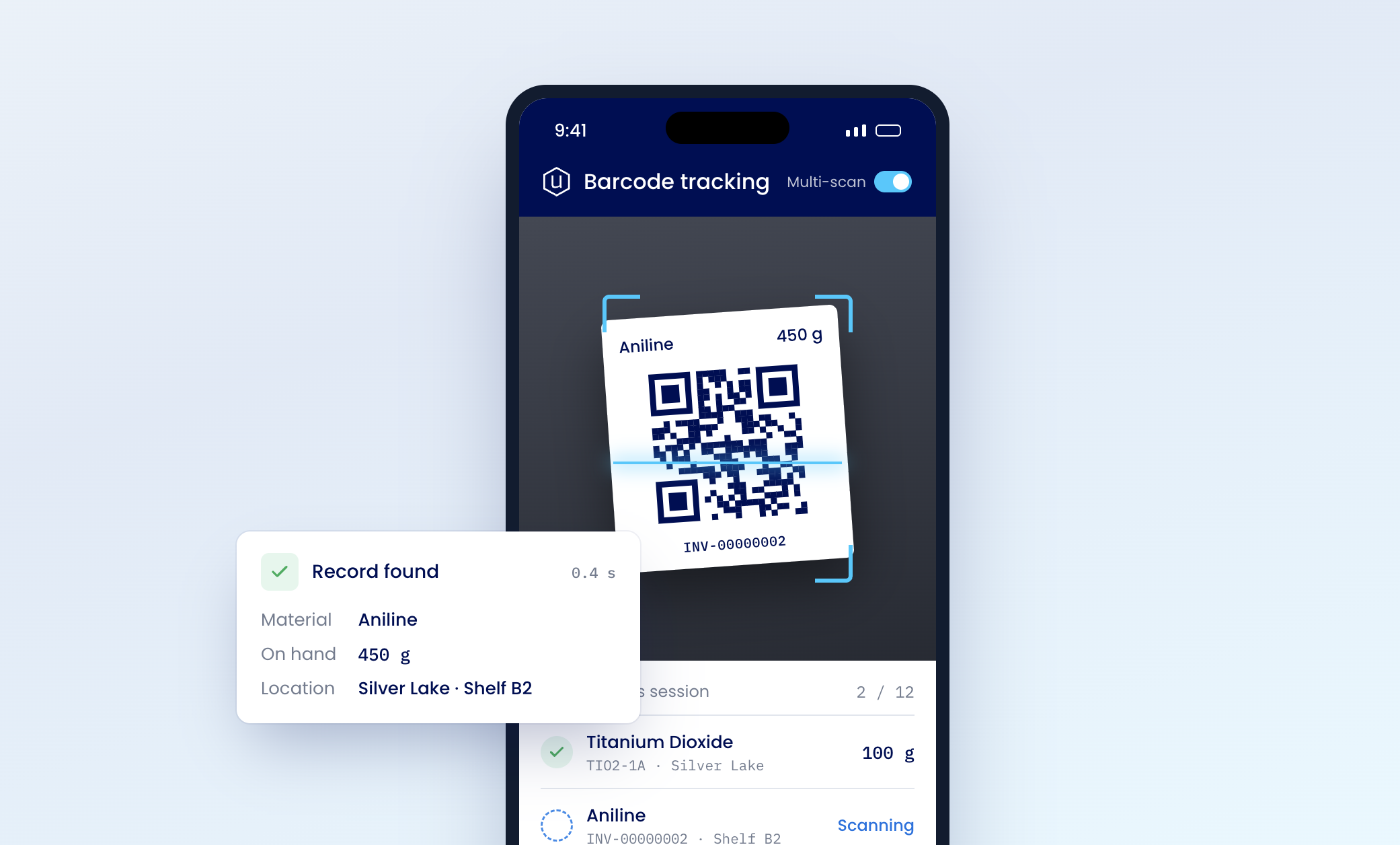
In Uncountable, a quality event can link to the formulation revision, batch record, raw-material lots, and test data that explain it. That gives the quality team a connected starting point for the investigation, rather than a blank form that points to data elsewhere.
How Should You Choose a QMS?
Start with a real deviation, not a feature checklist.
Take a recent quality event and ask a vendor to show how the system would handle it. Can the quality team see the result that triggered the event? Can it see the specification used to judge it? Can the investigation connect to the relevant batch, material, formulation revision, and controlled documents without re-entering the information?
Then follow the outcome. If the investigation leads to a CAPA, a specification update, or a procedure change, can the system show the decision, approval history, and affected records as one connected story?
The right QMS depends on your regulatory environment, process maturity, and the systems already in place. But the strongest choice is usually the one that reduces the gap between the quality event and the evidence needed to resolve it.

.png)
